


Through a Glass, Darkly: Chinese, American, and Russian Anti-satellite Testing in Space

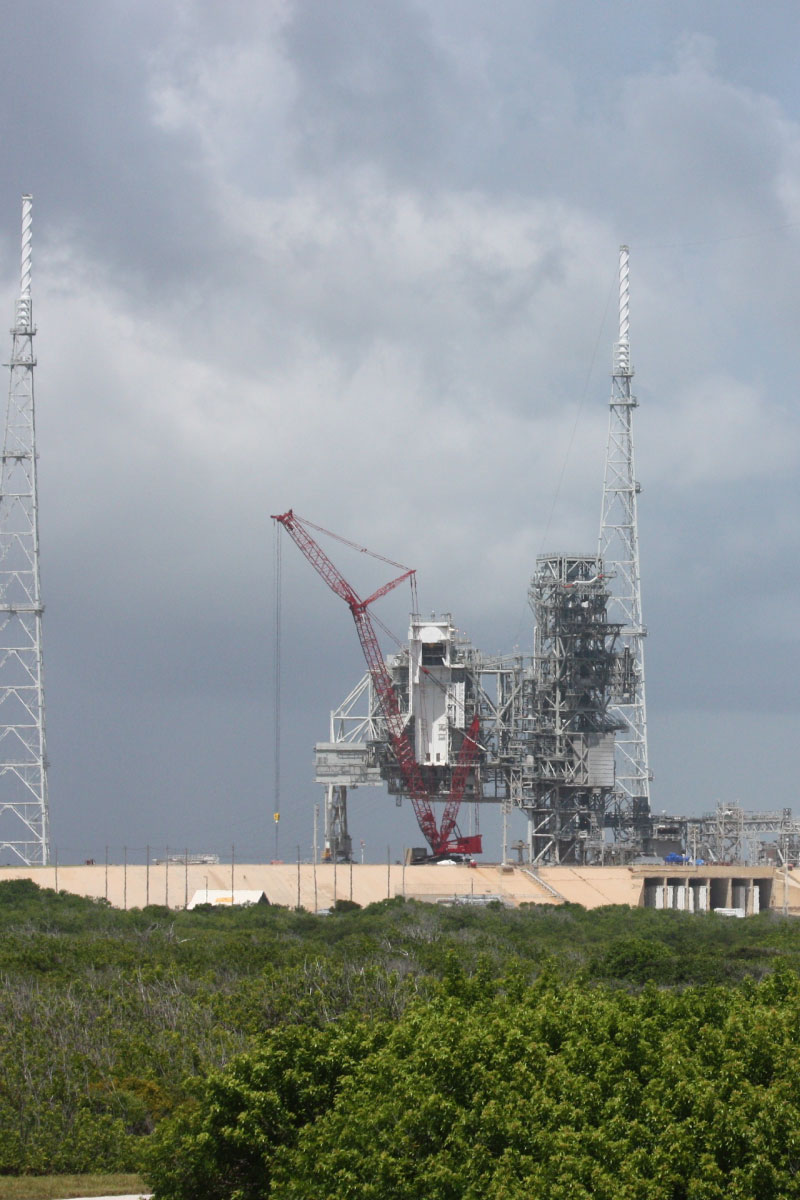
This report examines one central question: what does the available public evidence actually tell us about Chinese anti-satellite testing in space, and how should that evidence be understood in a broader historical and strategic context? Drawing on open-source material, including commercial satellite imagery, public statements, and technical analysis, Brian Weeden assesses the May 13, 2013 launch from Xichang that China described as a scientific mission and that unofficial U.S. sources identified as a possible test linked to China’s anti-satellite program. The report argues that while there is no conclusive proof, the available evidence strongly suggests the launch was a test of the rocket component of a new direct-ascent ASAT system derived from a road-mobile ballistic missile and potentially designed to reach targets in medium Earth orbit, highly elliptical orbit, and geostationary orbit.
The report then places that possible Chinese capability in context by comparing it with decades of American and Russian ASAT testing. It reviews U.S. direct-ascent systems from Bold Orion and Program 437 to the ASM-135 and the 2008 destruction of USA 193 using the Aegis SM-3 system. It also traces Soviet and Russian co-orbital and direct-ascent programs, including the IS system, Naryad, and Kontakt. This comparative approach is one of the report’s main strengths. It shows that Chinese ASAT development is not an isolated or entirely new phenomenon, but part of a longer history in which major powers have pursued ways to intercept or destroy satellites as military and political priorities changed.
A major theme running through the report is the close relationship between anti-satellite weapons and midcourse missile defense. Weeden argues that there is no meaningful technical difference between hit-to-kill midcourse missile defense and hit-to-kill ASAT capabilities because both are designed to destroy objects traveling through space in similar altitude regimes. That overlap creates a political problem for states that want to support missile defense while criticizing anti-satellite weapons development by others. The report also argues that secrecy around testing and capabilities makes the problem worse by limiting public debate, obscuring intent, and increasing the risk of misperception and manipulation.
The report closes by arguing for greater transparency, more public discussion, and confidence-building measures to reduce risks to space security and strategic stability. It warns that the proliferation of ASAT capabilities, whether ground-based, air-based, sea-based, or space-based, threatens not only national security satellites but also the long-term sustainability, safety, and security of outer space. For readers working on space governance, space security, anti-satellite weapons, missile defense, or responsible behavior in space, this report remains a detailed and useful examination of how technical capability, military policy, and public transparency intersect.

No results. Click here to access other publications.